
CES 2016 - An Overview

Maybe CES no longer has the same significance as a few years ago, but the trade show in Las Vegas is still the first major industry event of the year, and many manufacturers use it to present their innovations to the global public. We were there and present the most important topics and highlights here.
And yet another label: Ultra HD Premium

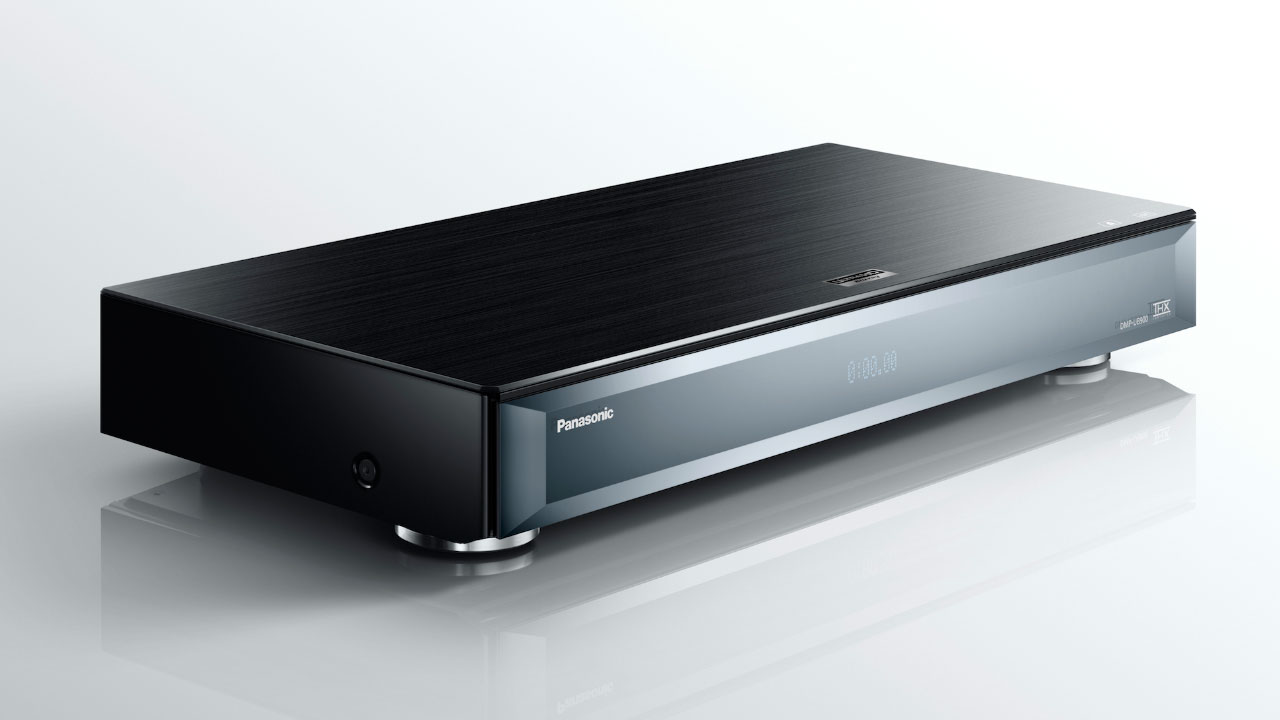
4K players start at affordable prices
Ultra HD is the new normal
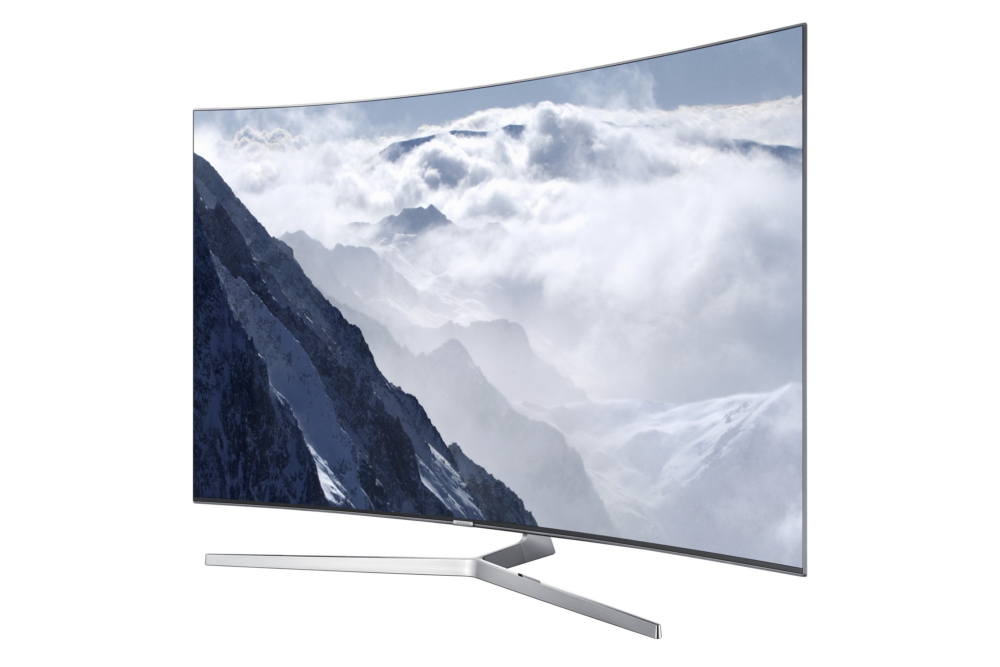
Ultra HD or 4K has finally arrived in the mainstream. With very few exceptions, all reasonably high-quality new TVs in 2016 will feature panels with four times the Full HD resolution, and for many new models, it is already clear that they will meet the Ultra HD Premium specifications. Among the many announcements in the TV sector, the upcoming top lines from Panasonic and Samsung seemed particularly interesting to us. Both the DX900 series from Panasonic (in 58 and 65 inches) and the KS9090 series from Samsung (49, 55, 65, and 78 inches, known as the KS9500 in the USA) meet the "Ultra HD Premium" specification and also feature other modern technologies that promise the best picture quality. We're excited!
And what about OLED?
Yes, OLED has long been touted as the savior technology when it comes to picture quality. And yes, the potential of the technology is still there, especially in connection with the high contrast requirements of HDR. But somehow the manufacturers seem to be running out of steam, especially since the further developed LED/LCD technology is now no longer that far behind in terms of quality. Only LG presented real OLED innovations, namely eight models in the G6 and E6 series (55 - 77 inches), as well as the Signature Ultra HD OLED TV, which is extremely thin at just 2.57 mm. Panasonic also showed, as already at IFA, the 65CZ950 and is sticking to its plans for an imminent market launch.
MQA - New standard for better streaming and more
Video: "Music Origami" - Bob Stuart (Meridian) explains MQA:
This is good news for the mobile hi-fi fan, but it probably also means that new hardware will have to be purchased, as MQA must be decoded by the D/A converter used. For some existing products like the Auralic Aries, this should be possible via a simple software update, and the first "MQA-ready" or MQA-compatible devices were already presented in Vegas, including the media player Pioneer XDP-100R, the smartphone HTC One A9, and of course the portable headphone amplifier Explorer 2 from Meridian.
Vinyl as an innovation driver
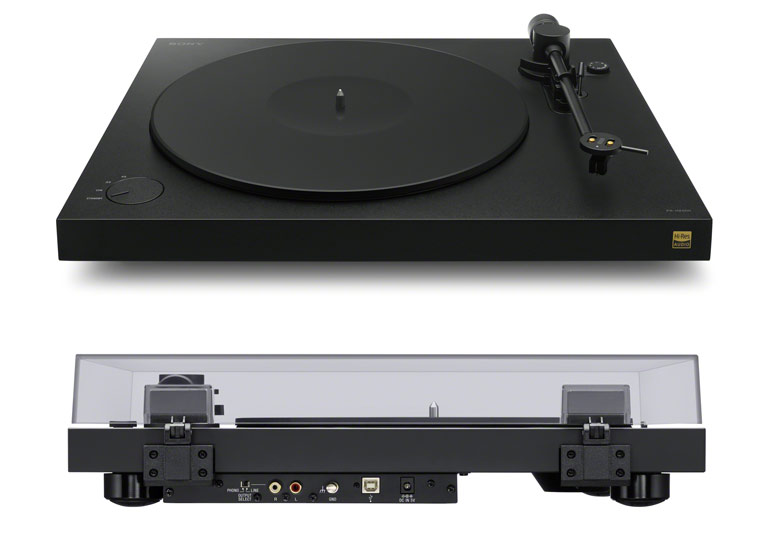
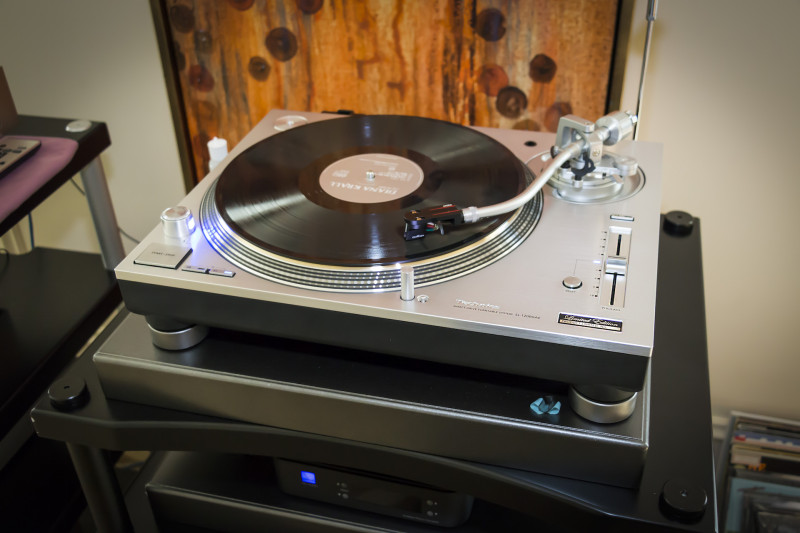
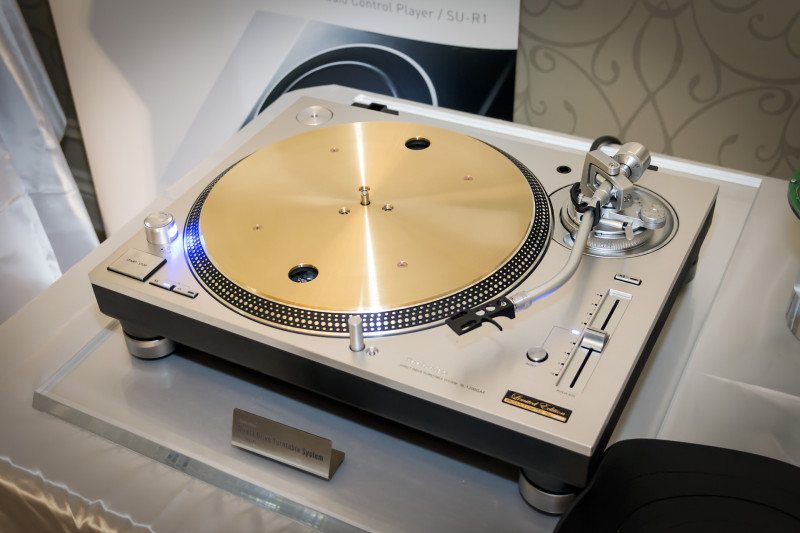
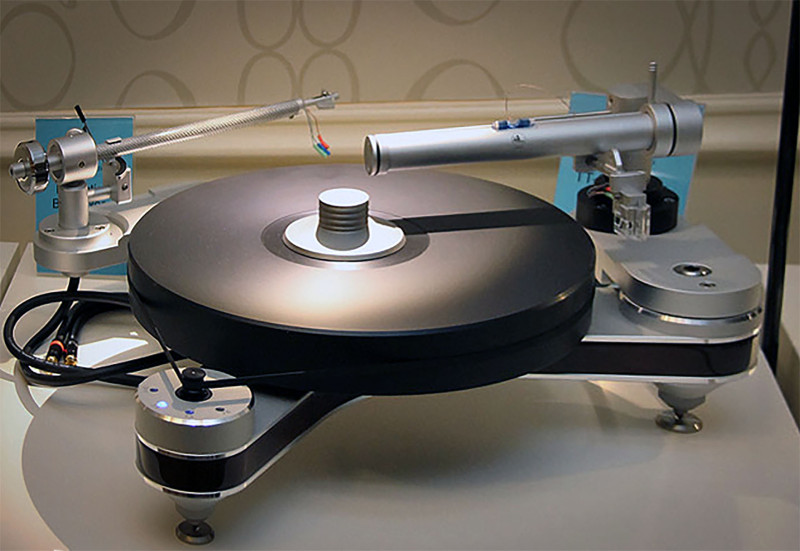
It's no longer news that good old vinyl records are experiencing a real renaissance. This is also evident from the many new turntables that had their premiere in Las Vegas. Two of them particularly caught our attention: the long-awaited Technics SL-1200G and the absolutely unexpected new Sony turntable called PS-HX500. First of all, it is surprising enough that the industry giant Sony wants a piece of the turntable market and has developed a brand new model for that purpose. The finished product also makes a solid impression at first glance, offering a belt-driven platter made of die-cast aluminum and a fixed-mounted tonearm with MM cartridge. But things get really interesting when you look at the inner values of the HX500. The Japanese are clearly targeting newcomers and returnees to the vinyl hobby and have equipped their turntable with an integrated phono preamp to make connection to an existing system as easy as possible. But that's not all: the PS-HX500 also has its own A/D converter, allowing the played record to be recorded in high-resolution digital quality to a connected computer, either as PCM or even as a DSD128 file!
Small, big sensation(s) from Audioquest
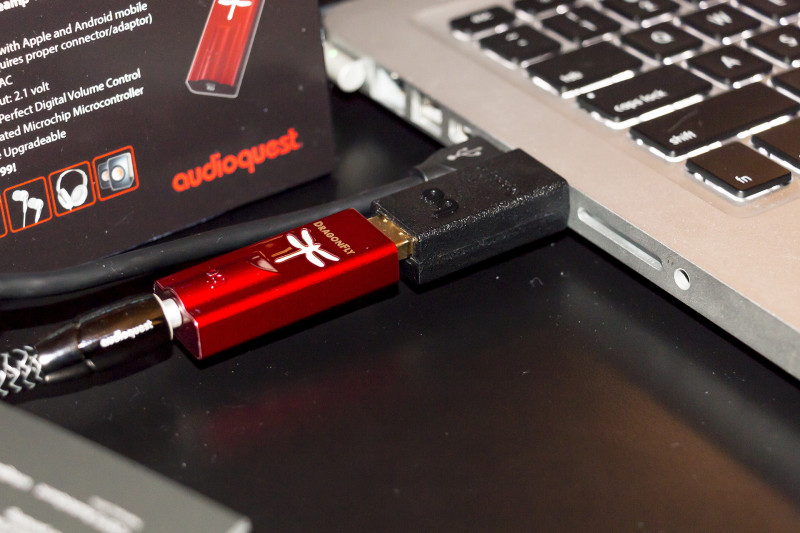
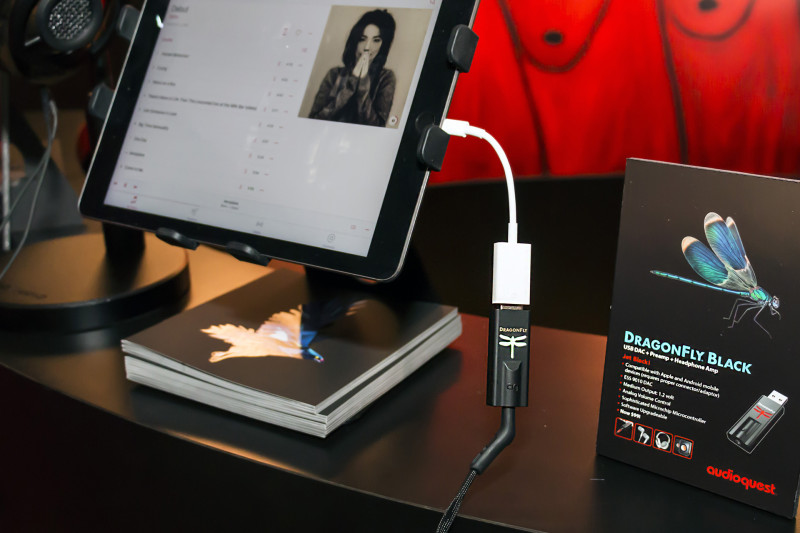
The cable specialists from California have already been successfully venturing into other areas for some time, as proven by the USB-DAC Dragonfly, the extremely neutral headphone Nighthawk, and the USB noise filter Jitterbug. While only vague hints were heard in Las Vegas about some innovations regarding the Nighthawk, the long-awaited successor to the Dragonfly was presented there. More precisely, there are actually two successors, named Dragonfly Red and Dragonfly Black, both of which are complete new developments. Both use a new D/A converter chip embedded in new electronics. The new chip, like the one in the predecessor, decodes music data up to 96kHz/24Bit, but promises significantly better sound. In the "Red" model, a digital, bit-perfect volume control combined with even better electronics ensures further sound improvements. But the real sensation is that the new chip architecture in both the Black and Red versions drastically reduces the power consumption of the Dragonfly. So much so, in fact, that the new USB DACs can now be used without issue with smartphones. With the predecessor, iOS devices would not work at all due to the high power requirements, and while it generally worked on Android devices, it would drain any battery extremely quickly. The new variants now consume a full 77% less power and should thus (in combination with an Apple Camera Connection Kit or an OTG cable for Android) be the smallest DAC solutions for smartphones. To demonstrate exactly what this means, Audioquest provided a striking example at CES: a Nighthawk running continuously on an iPad via a Dragonfly Black reduced the battery charge to only 65% after 32 hours—that's more than impressive!
Lots of news from Burmester
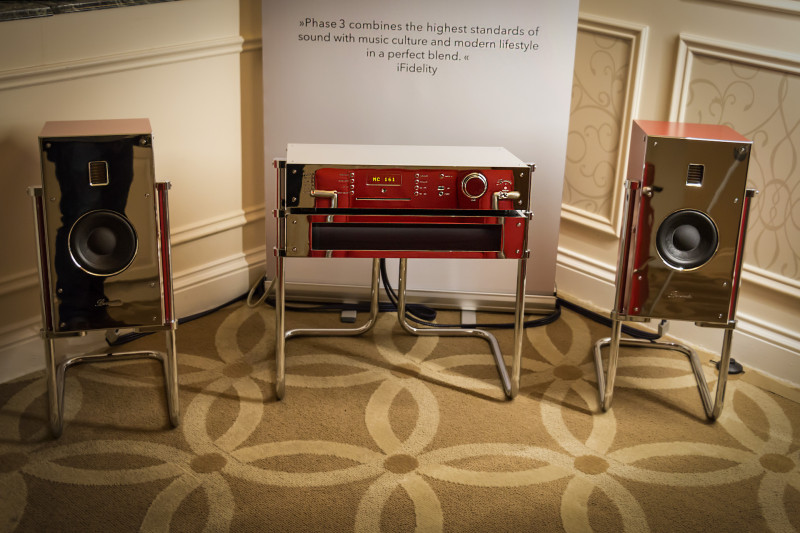
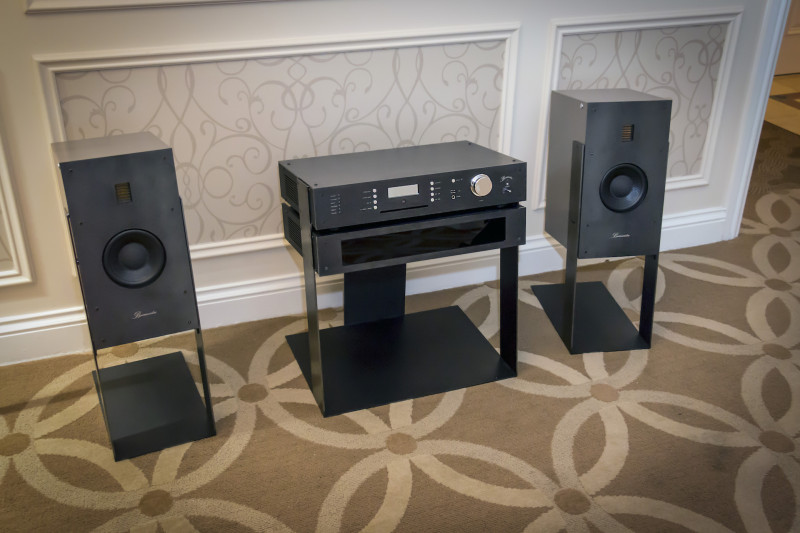
The first CES without Dieter Burmester certainly marked a special event for the Berlin high-end manufacturer in many ways. And this is also because with the unusual all-in-one system Phase 3, one of the last projects initiated by the company founder, who passed away in 2015, will soon actually see the light of day. In addition to a revised version of the red Phase 3, the black version was also shown for the first time, for which a dedicated stand system has been designed. Other highlights in the Burmester suite in the Venetian included the network player 150, the compact Musiccenter 151, and the speakers BA31 and BA71.
Fame and rock 'n' roll at Chord Electronics
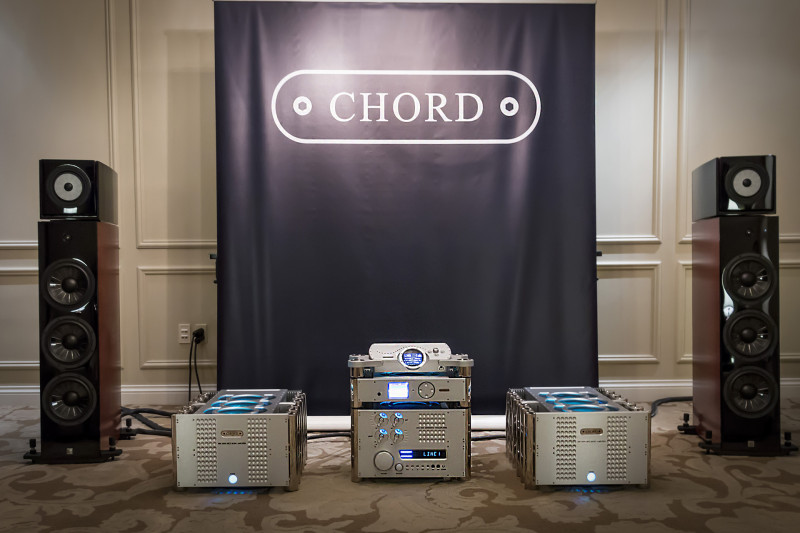
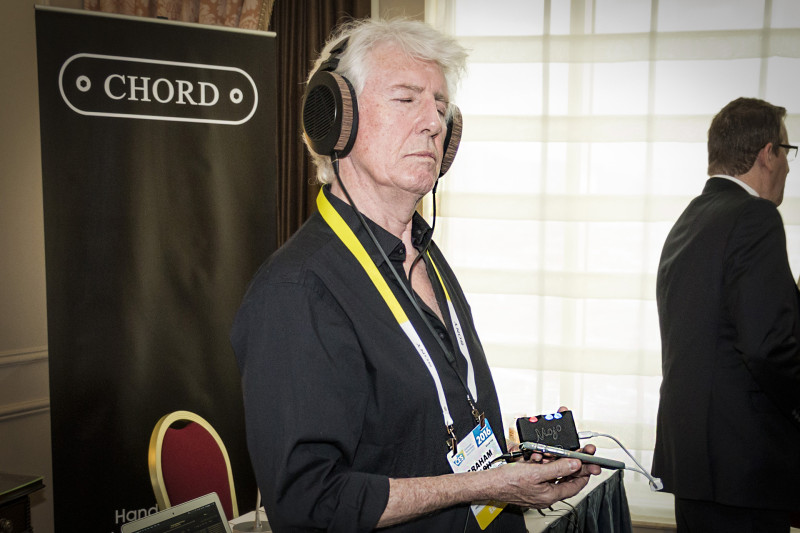
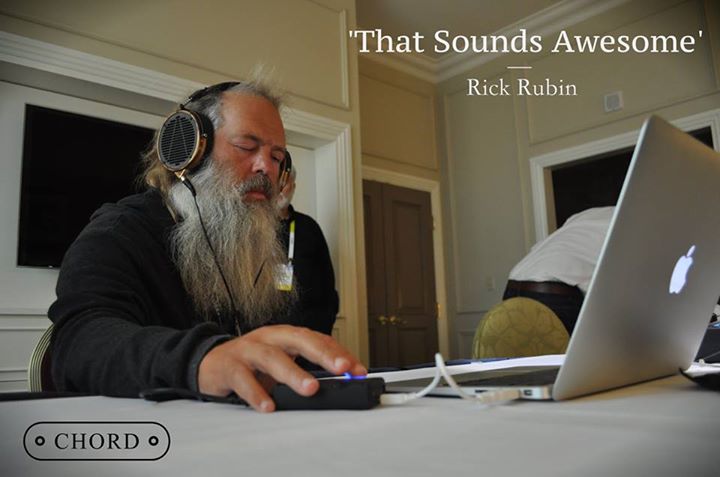
The team from Chord Electronics once again showed their penchant for the unusual in Las Vegas. To provide the brand new super DAC DAVE with an appropriate playing environment, the very best of their own amplifier electronics was put on display. Together with speakers provided by Vienna Acoustic, a system with a total value of almost 200,000 euros was set up on the 35th floor of the Venetian. And it was this incredibly powerful system that was used on the special request of company founder John Franks on the first day of the show to pay proper tribute to the recently deceased Motörhead frontman Lemmy Kilmister. And it was played so loudly that even hotel guests in the surrounding rooms and floors must have heard it. Rock on!
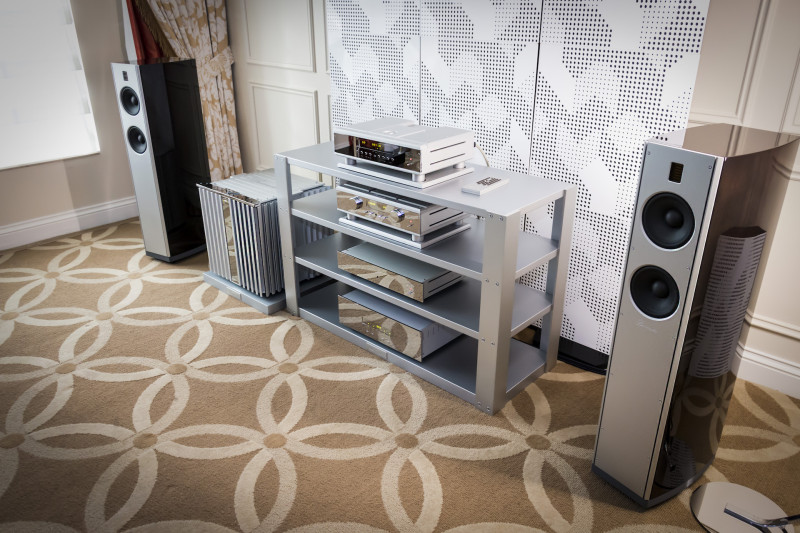
Consistent further development at T+A
The American market, and thus CES, has always been very important for these hi-fi specialists from Herford. That's why Siegfried Amft and his team brought along the still enormously successful HV series and the current R series, showcasing the very best they currently have to offer. As a real innovation, the DAC 8 DSD was also presented. What sounds like a modest update to the well-known DAC 8 is in reality a huge developmental step. That's because T+A did not use an off-the-shelf DSD solution, but instead developed its own converter technology and uses a true 1-bit DSD converter. Video: T+A chief developer Lothar Wiemann presents the DAC 8 DSD:
Dali: Successful Opticon series and expansion of the Rubicon series
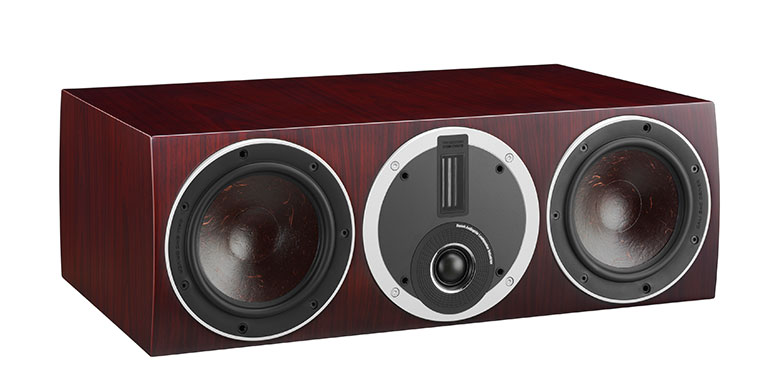
Already in the fall of last year, Dali introduced the revised Opticon series in Europe and also focused on this new entry point into the world of Dali speakers in the USA. The star of the demo was naturally the Opticon 8, which in terms of features and sound is not far behind its larger Rubicon siblings. Speaking of Rubicon: in this series, the new center speaker Rubicon Vokal was also a real innovation for home theater fans.
Premium products from Audionet
Strictly speaking, not officially at CES, but in the Mirage Hotel opposite the Venetian, the team from Audionet presented their new products. The huge suite gave them space to showcase most of their current lineup, and there were also two prototypes to see: the CD player/DAC Planck and the aptly named integrated amplifier Watt, both of which will be available later this year. The Planck will feature a very high-quality drive and a dual-mono D/A converter, which can process data up to 192kHz/24Bit from external devices and USB. The Watt will incorporate the next stage of development of the "Ultra Linear Amplifier" technology. With two separate toroidal transformers providing power, we can look forward to output of more than 250 watts per channel (at 4 ohms).
Conclusion: That was CES 2016
The days when hi-fi and TV made the top headlines of CES coverage seem, at least for now, to be over—even smartphones hardly attract any journalists anymore. Self-driving cars of the future, health and fitness applications, and surprisingly silly smart home solutions dominate the headlines. But if you take the time to look behind the bombast of the big exhibition halls, you'll still find plenty of exciting news around the hi-fi and home theater hobbies. Because one thing should not be forgotten in view of the changing direction of the show: the markets for "classic" consumer electronics are still functioning—and sometimes even achieving surprisingly strong growth (see, for example, the vinyl revival). One thing is clear: CES is certainly no longer the most important hi-fi show of the year, since we now have one in our own country, practically on our doorstep. And judging by the many tongue-in-cheek references to the High End in Munich, we can already look forward to an extremely exciting show in May.